
Truly, I say to you, wherever this gospel is proclaimed in the whole world, what she has done will also be told in memory of her. — Matthew 26:13 Into the Word Nard. Pure spikenard, imported from the Himalayan highlands of northern India, carried overland through trade routes that made it among the most expensive… Continue reading A Foolish Woman’s Act
Category: Daily Bread
The First One Looking

Romans 1, Part 3. On the God who was looking first. Start with Part 1: Before the Cure. For what can be known about God is plain to them, because God has shown it to them.— Romans 1:19 Into the Word The people of verse 18 are holding the truth down. Verse 19 explains why… Continue reading The First One Looking
Before the Cure

Romans 1, Part 1. On the anger of a Father who grieves. For the wrath of God is revealed from heaven against all ungodliness and unrighteousness of men, who by their unrighteousness suppress the truth. — Romans 1:18 Into the Word In the verses just before this one, Paul calls the gospel the power of… Continue reading Before the Cure
Everything Hangs on This

You shall love the Lord your God with all your heart and with all your soul and with all your mind. This is the great and first commandment. — Matthew 22:37–38 Into the Word It was the last week of Jesus’ life. He was teaching in the temple courts, and one group after another came… Continue reading Everything Hangs on This
Locked From the Inside
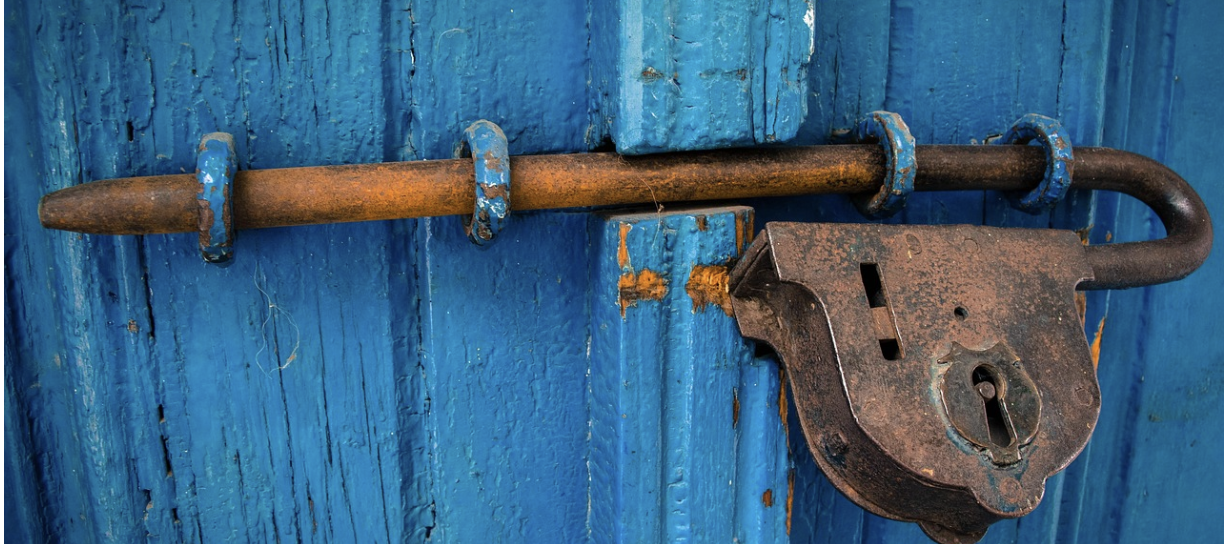
For my house shall be called a house of prayer for all peoples. — Isaiah 56:7 Read Part 1 here. The Ticket Booth Where the doors were open, there was usually a ticket booth. A church is supposed to be the one building in town anyone can walk into without paying. That is what made… Continue reading Locked From the Inside
What the Curtain Cannot Cover

And join them one to another into one stick, that they may become one in your hand. — Ezekiel 37:17 A Name Under Cloth At the door they bought tickets. They went in through the tourist entrance and looked up for the faces of Christ they knew were in the mosaics. They found curtains. Most… Continue reading What the Curtain Cannot Cover
Turn In the Account

And I tell you, make friends for yourselves by means of unrighteous wealth, so that when it fails they may receive you into the eternal dwellings. — Luke 16:9 Into the Word The chapter numbers in our Bibles were added centuries after Luke wrote, so the prodigal son and the shrewd manager were meant to… Continue reading Turn In the Account
Free Enough to Say No

Romans 14, Part 4. On what the strong are for. Read Part 1 here. We who are strong have an obligation to bear with the failings of the weak, and not to please ourselves. — Romans 15:1 Into the Word Yesterday Peter came down the stairs. Today the question is what the strong are supposed… Continue reading Free Enough to Say No
Not That One, Lord

I know and am persuaded in the Lord Jesus that nothing is unclean in itself. — Romans 14:14 Romans 14, Part 3. On the one God welcomed before we did. Read Part 1 here. Into the Word Yesterday we saw that the kingdom runs on grace. Today the harder question. If we have received that… Continue reading Not That One, Lord
What the Kingdom Eats
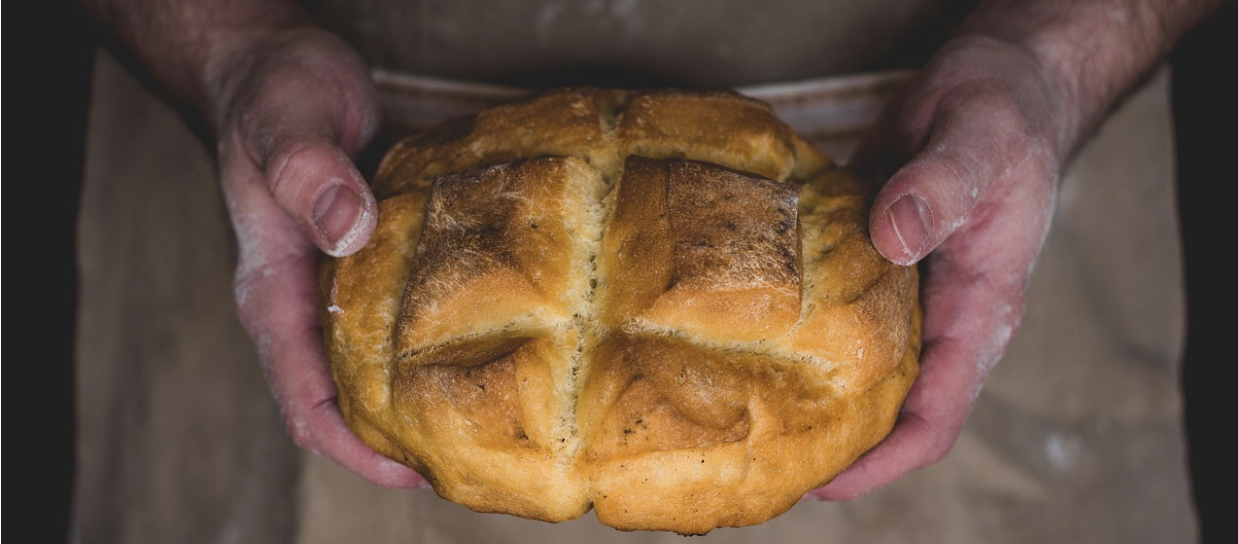
Romans 14, Part 2. On what the kingdom is made of. Read Part 1 here. For the kingdom of God is not a matter of eating and drinking but of righteousness and peace and joy in the Holy Spirit. — Romans 14:17 Into the Word Yesterday we looked across the table and saw a brother… Continue reading What the Kingdom Eats